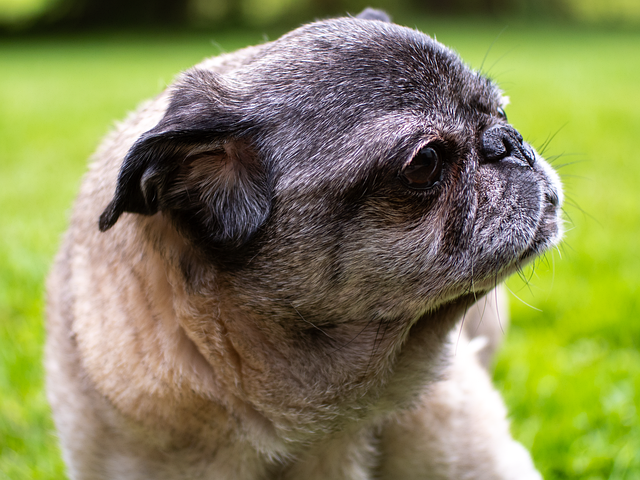
Seeing your dog in pain is one of the hardest parts of being a pet parent. You’d do anything to make the hurt stop — but finding the right solution isn’t always simple. Dogs can’t tell us where it hurts, and their signs of discomfort are often easy to miss.
This guide breaks down what pain looks like in dogs, what you can safely give them and how to help them feel better as quickly and safely as possible.
Acute vs. Chronic Pain
Dogs typically experience two main types of pain:
Acute Pain
Short-term, sharp and usually sudden — like from an injury, surgery or accident.
Chronic Pain
Longer-lasting and often fluctuates between dull aches and painful flare-ups. Conditions like arthritis frequently cause chronic pain.
Some issues can even cause a combination of both.
Signs Your Dog May Be in Pain
Yelping isn’t the only indicator — and it’s often not the most common. Dogs tend to hide their pain, so the signs that your dog is hurting can be subtle, silent or easily mistaken for normal behavior.
Common clues your dog might be hurting include:
- Decreased appetite
- Excessive licking or chewing at a spot
- Stiffness or difficulty getting up
- Moving more slowly
- Shaking or trembling
- Changes in temperament
- Restlessness or trouble settling
- Avoiding stairs, jumping or playing
Recognizing these early means you can step in sooner to help your pup feel better.
What Can I Give My Dog for Pain?
For real, effective relief, your vet can prescribe dog-safe pain medications. These are specifically formulated for dogs and target both inflammation and discomfort to relieve your dog's pain.
Alongside prescription meds, your vet may recommend other treatments. Using more than one method together is known as a multimodal approach, and vets consider it the gold standard for managing pain.
Always talk to your vet first — they’ll help you choose the right combination for your dog’s specific needs.
Can I Give My Dog Over-the-Counter Pain Meds?
No — and this part is really important.
Pain relievers meant for humans like ibuprofen, Tylenol and aspirin can cause serious, sometimes fatal, side effects in dogs. Never give your dog any medication from your own cabinet unless your vet specifically approves it.
Arthritis in Dogs
Arthritis is one of the most common causes of both acute and chronic pain in dogs. While you can’t cure arthritis itself, you can manage the symptoms and keep your dog comfortable.
That starts with knowing the signs to look out for: stiffness, limping, hesitating to jump or climb, slowing down on walks and changes in activity level.
How to Help a Dog With Arthritis at Home
You can support an arthritic dog in a lot of meaningful, simple ways:
- Orthopedic dog beds that cushion pressure points and ease joint pain
- Joint supplements that support mobility and reduce inflammation
- Gentle, regular exercise to keep muscles strong
- Non-slip flooring to prevent slips and strain
- Weight management to reduce pressure on joints
Small adjustments at home can make a big difference in their daily comfort.
Seeing your dog in pain is never easy, but you’re far from helpless. With the right knowledge — and support from your vet — you can ease your dog’s discomfort and help him get back to enjoying his life. The more you understand about how dogs experience pain, the faster and more effectively you can help.