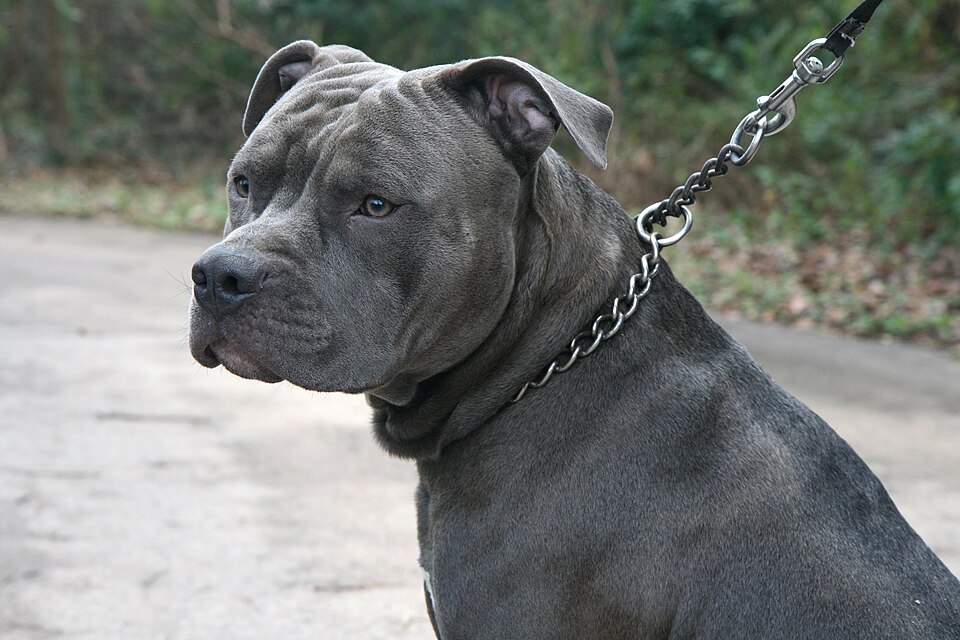
Walking an enthusiastic pup can feel a bit like flying a kite in a storm — tugging, pulling, zig-zagging. So it’s no surprise some people turn to choke collars hoping for a quick fix. But are they actually helping your dog… or hurting him?
Here’s the truth.
What Exactly Is a Choke Collar?
A choke collar does exactly what the name suggests: it tightens around your dog’s neck when he pulls.
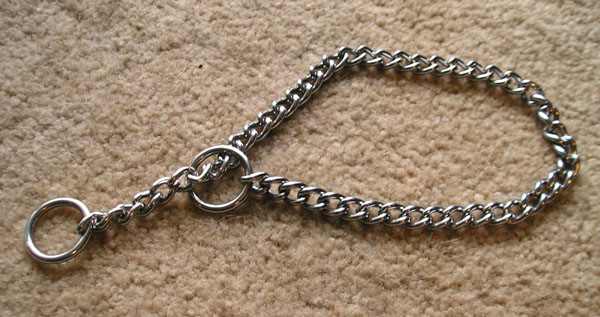
Most versions are made from rope or metal links. The leash attaches to the collar, and when your dog surges forward, the loop cinches and cuts into his neck. The idea is simple: pulling = discomfort, so eventually the dog stops pulling.
But just because something works doesn’t mean it’s safe or humane.
Why Choke Collars Are Harmful
Choke collars rely on pain and discomfort.
If they didn’t hurt, they wouldn’t “work.”
That alone is a red flag — but the long-term consequences are even worse.
They Don’t Teach Useful Behavior
Punishment-based tools only teach your dog what not to do. They don’t teach him what to do instead.
So the underlying issue — anxiety, overexcitement, or lack of training — never truly improves.
Choke collars are a temporary bandage, not a real solution.
They Increase Fear and Stress
Being choked is frightening. Over time, this can increase your dog’s anxiety, especially around triggers like other dogs or strangers.
They Can Cause Serious Physical Damage
A tightening collar on the throat can injure:
- The esophagus
- The airway
- Lymph nodes
- Neck muscles
- Cervical vertebrae (spine)
The risk simply isn’t worth it.
What to Use Instead of a Choke Collar
Your best bet? A well-fitted harness.
A harness gives you safer control without putting pressure on the neck. It also makes it harder for a powerful dog to yank the leash out of your hands.
Try one of these popular options:
- No-pull harness and leash set (Amazon)
- Easy Walk harness (Amazon)
- Balance harness (Amazon)
A harness improves handling — but if you want the pulling to stop altogether, training is essential.
Why Your Dog Is Pulling — And How to Fix It
To change the behavior, you first have to understand the cause.
A certified reward-based trainer or a veterinary behavior expert can help identify what’s driving the pulling.
If the pulling is caused by fear or anxiety
Some dogs bark, lunge, or drag you forward because they’re overwhelmed. These dogs need patience, space, and positive reinforcement.
Try starting with:
- Walks during quieter hours
- Letting your pup practice leash skills in a fenced yard
- Gradual desensitization (very big distance from triggers)
- Rewarding calm behavior with treats, toys, or praise
Baby steps + treats = steady confidence building.
Recommended rewards:
- Peanut butter chew sticks (Amazon)
- Plush squeaky toy (Amazon)
If your dog loves to sniff
Great! Use it.
Offer more mental enrichment at home through scent-work and nose-work toys.
Try:
- Snuffle mat (Amazon)
If you need extra help controlling pulling
Other tools can help, like clicker training or a head halter — but head halters should only be used under professional guidance because they require proper handling.
Try:
- Head harness (Amazon)
The Bottom Line
Choke collars might look like an easy answer, but they rely on pain, can damage your dog physically, increase stress, and don’t solve the real problem.
A harness plus positive reinforcement gives you control and teaches your dog how to behave safely and happily — no choking required.
We independently pick all the products we recommend because we love them and think you will too. If you buy a product from a link on our site, we may earn a commission.