Bringing home a new puppy is exciting — but if you already have an older dog, you might be wondering how he’s going to take the news. Don’t worry. With some patience, structure and thoughtful planning, plenty of families successfully blend a new puppy into an older dog’s routine.
Here’s exactly how to make those first meetings safe, calm and drama-free.
Start With Scent
Before your puppy ever steps paw inside your home, let your older dog sniff something that smells like the newcomer — a blanket, toy or bedding.
This helps your resident dog recognize the puppy’s scent ahead of time, making that first meeting less overwhelming.
Choose a Neutral Meeting Spot
Your dog sees your home as his territory, so the first introduction shouldn’t happen in your living room.
Pick a neutral area like a park, a quiet street or a friend’s fenced yard.
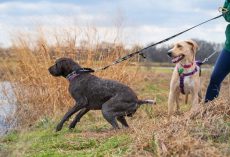
Keep both dogs leashed, let them sniff and interact at their own pace, and watch their body language closely:
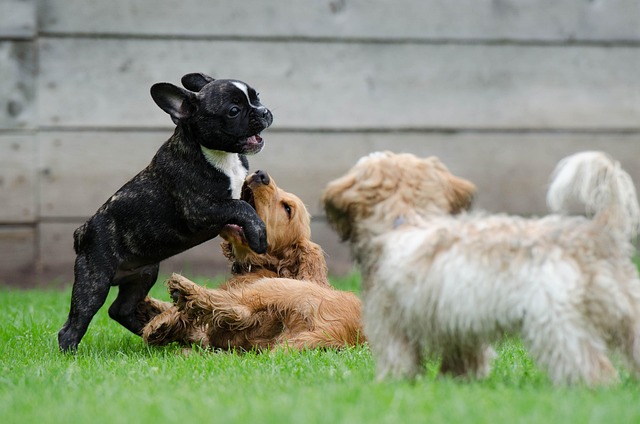
- Good signs: loose body, wagging tail, play bows, silly back-and-forth movement
- Bad signs: stiff posture, growling, raised hackles, freezing
If things stay friendly, take a short walk together. Walking side-by-side (“parallel walking”) lets them get used to each other without pressure.
Let the Puppy Enter the House First
When you head home, let the puppy walk into the house first.
If your older dog is already inside, he may feel protective or territorial when the puppy arrives.
Supervise All Interactions
For the first few weeks, never leave the dogs alone together.
Keep an eye out for body language:
- Relaxed tail and ears: comfortable
- Tucked tail or pinned ears: fear or stress
If either dog seems tense, gently separate them and give everyone a breather.
Stick to Your Older Dog’s Routine
Your older dog should feel like his world isn’t suddenly upside down.
Keep meal times, walks and cuddle time consistent. Even though the puppy is new and adorable, your older dog still needs the same attention he always got.
This helps prevent jealousy and anxiety.
Feed Them Separately
Set up separate bowls — and ideally separate eating spaces — so neither dog feels pressured or protective around food.
If one dog finishes first, remove him so he doesn’t move in on the other’s meal.
Put Toys Away (At First)
Toys can trigger resource guarding, especially in a new and unpredictable situation.
Remove toys during the first few weeks while your dogs get to know each other. Snapping or growling during early introductions is common when toys or food are around.
Don’t Punish Your Older Dog for Setting Boundaries
Growling, snarling or walking away are normal ways for an adult dog to tell a puppy, “Please stop.”
As long as the older dog isn’t causing harm, don’t punish him.
Boundaries help puppies learn acceptable behavior — and older dogs will get tired of puppy antics.
If the puppy can’t take the hint, separate them for a while so everyone can decompress.
How Long Will It Take Them to Adjust?
Every dog is different. Some adapt instantly; others take weeks.
Give your older dog space by providing:
And remember — older dogs and puppies have different energy levels. They don’t have to become best friends, and that’s OK. Coexisting peacefully is still a win.
If the Puppy Is Bullying the Older Dog
Puppies are basically furry toddlers with zero boundaries. If yours is overwhelming your older dog:
- Step in and separate them
- Give your puppy more exercise
- Use enrichment toys to burn mental energy
- Teach cues like “no,” “come,” and “down”
A tired puppy is a polite puppy.
If Your Older Dog Seems Depressed
Some dogs get sad or confused when a puppy suddenly joins the family. Signs of depression include:
- Changes in sleep
- Eating more or less
- Low energy
- Hiding or withdrawing
- Loss of interest in toys or walks
If you see this, give your older dog extra space, attention and alone time away from the puppy — and call your vet for guidance.
If Your Older Dog Is Aggressive or Attacking the Puppy
Separate them immediately for safety.
Then contact a positive reinforcement–based trainer or canine behaviorist — never anyone who recommends choke chains, prong collars or shock collars.
Learn your dogs’ body language so you can tell the difference between rough play and real aggression. Some dogs sound loud and dramatic during play but show loose, wiggly posture, which is perfectly normal.
And most importantly:
Do not even consider giving up your older dog.
With professional guidance, you can absolutely find a safe, workable solution.
The Bottom Line
Introducing a puppy to an older dog takes time, structure and supervision — but it’s completely doable. Take things slow, protect everyone’s space and follow your dogs’ cues.
With a little patience, you’ll soon have a happy household where both dogs feel secure, understood and loved.
We independently pick all the products we recommend because we love them and think you will too. If you buy a product from a link on our site, we may earn a commission.