You’ve probably heard about parvovirus — often just called parvo — and how dangerous it can be. That’s why your vet is so insistent about vaccination. The good news? A disease that’s extremely contagious and often fatal becomes highly preventable with the parvo vaccine.
Here’s what every pet parent should know — from how the vaccine works to costs, schedules and side effects.
What Is the Parvo Vaccine?
The parvo vaccine protects your dog from canine parvovirus, a severe disease that targets the stomach and intestines and can also affect the bone marrow and heart.
Because of how dangerous and widespread parvo is, this vaccine is considered a core vaccine — meaning every dog needs it.
Your vet may give it:
- As a stand-alone parvo shot, or
- As part of a combination vaccine (the most common option)
Most clinics use the DA2P combo, which includes vaccines for:
- Distemper
- Adenovirus 2
- Parvovirus
Sometimes the combo also includes the parainfluenza vaccine. When it does, it’s called DHPP, where the “H” refers to the adenovirus component (which also protects against hepatitis).
How the Parvo Vaccine Works
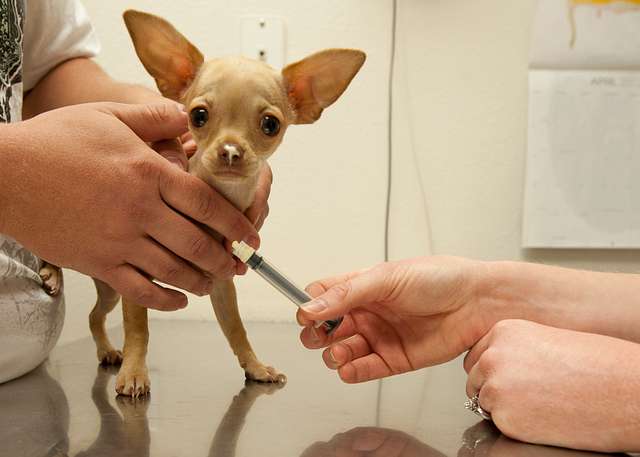
The vaccine teaches your dog’s immune system to recognize and attack the parvovirus before it can cause illness.
So if a fully vaccinated dog encounters the virus, his immune system stops the infection before it becomes life-threatening.
Why the Parvo Vaccine Is So Important
Parvo spreads incredibly fast and can survive in the environment for months. Without vaccination, any dog — of any age, breed or lifestyle — is at risk.
Even puppies labeled “up-to-date” on vaccines may not be fully protected. That simply means they’ve had the shots appropriate for their age. Full protection only happens after all required doses are completed.
Many newly adopted puppies still need several more rounds of vaccines to be truly safe.
Parvo Vaccine Schedule for Dogs
Puppies begin getting parvo vaccines early in life:
- First dose: usually between 6–8 weeks of age
- Then: every 4 weeks until they’re 16 weeks old
This series is crucial. Missing doses or spacing them too far apart can leave a puppy vulnerable.
Once the initial series is complete:
- Dogs get a booster at around 1 year old
- After that, boosters are typically every 1–3 years, depending on your vet’s guidance
Adult dogs can get parvo, so staying current on boosters is important.
How Much Does the Parvo Vaccine Cost?
Prices vary depending on location and whether you’re visiting a private clinic, low-cost clinic or shelter.
- Estimated vaccine cost: Up to around $30
- Vet exam fees: Usually additional, since dogs must be healthy to safely receive vaccines
Some shelters and vaccine clinics offer low-cost or discounted options.
Possible Side Effects of the Parvo Vaccine
Most dogs experience no side effects at all. When they do occur, they’re usually very mild and temporary, such as:
- Soreness at the injection site
- Sleepiness
- Mild fever
- Reduced appetite
More serious reactions (like facial swelling, breathing issues or anaphylaxis) are very rare. While they can sound alarming, they’re also extremely uncommon — and your vet can manage them quickly if they occur.
What’s far more dangerous is skipping the vaccine. An unvaccinated dog is significantly more likely to become severely ill or die from parvo.
The Bottom Line
Parvovirus is deadly, highly contagious and still very common — but the vaccine turns a terrifying disease into something that’s almost entirely preventable. Staying on schedule with vaccinations is one of the most important things you can do to protect your dog’s health.