You got the dog — now it’s time to help your new family member learn how to thrive.
Training isn’t just about teaching commands; it’s about bonding, building trust and creating a home where both you and your dog feel happy and understood.
A trained dog is a confident dog — and a confident dog makes life so much smoother.
Dog Training Tips
Whether you’re house training a dog you just rescued, or helping a brand-new puppy learn the ropes, the right training foundation will set your dog up for a joyful, stress-free life.
Here’s how to make the process effective, fun and humane.
Use Positive Reinforcement
Positive reinforcement means rewarding your dog when she does something right instead of punishing her for mistakes. Treats, praise and toys motivate dogs far better than scolding — and help you build a trusting relationship instead of a fearful one.
Set a Daily Schedule
Dogs love structure. A predictable routine:
- Reduces anxiety
- Supports housetraining
- Helps your dog understand expectations
- Makes behavior more consistent
Feeding times, potty breaks, play sessions and walks should all be part of your daily rhythm.
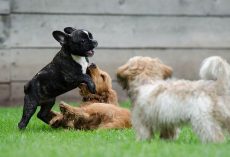
Socialize Your Dog
Socialization teaches your dog to feel comfortable around:
- People
- Other animals
- New sounds
- Different environments
- Strange objects
Good socialization prevents fearfulness and future phobias — and makes your dog a confident, well-adjusted companion.
Start With the Basics
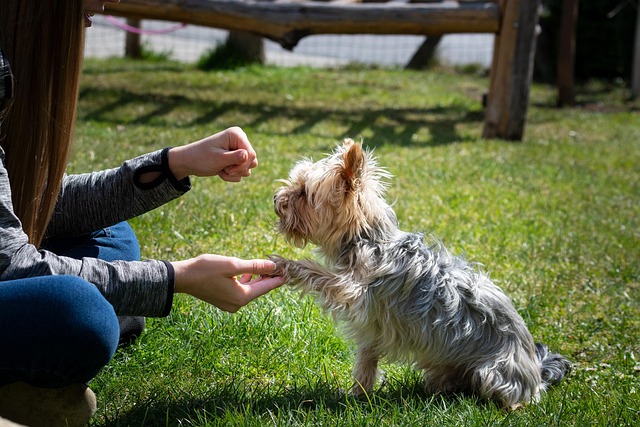
Every dog should learn simple cues like:
- Sit
- Down
- Stay
These aren’t just tricks — they’re communication tools that help your dog feel safe and help you guide her through everyday life.
Helpful Dog Training Tools
The right dog training tools make training easier and more enjoyable:
Crate
A crate helps with housetraining, gives your dog a safe retreat and keeps her secure when you’re not home.
You can try a crate like the Revol Dog Crate from Diggs
Clicker
Clicker training is a form of positive reinforcement training that uses a small plastic device (or a clicker) to make a sound when your dog does a behavior you’re asking of her.
A clicker marks the exact moment your dog gets something right — making it easier for her to understand what behavior you’re rewarding.
You can try one like this Dog Training Clicker from Amazon
Leash
Dogs aren’t born knowing how to politely walk on a leash. Some dogs will pull on their leashes like crazy, and some will bark at any human or animal that passes.
Learning how to leash train your dog will not only give you both tons of bonding time on your usual walks, but it’ll make your walks a lot more enjoyable in the future. A good leash helps you teach polite leash manners and gives you both stress-free walking time.
You can try this Nylon Dog Leash from Amazon
High-Value Treats
Training works best when you use something extra delicious that your dog gets only during training sessions.
While you can use your pup’s kibble, special treats that you use solely for training sessions can be more exciting for your pup, which will make training easier.
You can try these Freeze-Dried Training Treats from Amazon
Treat Pouch
Free hands = better training. When training your dog, it’s definitely easier if your hands are free. Pouches will let you keep treats close and rewards ready in case your pup suddenly does something worth rewarding for quick reinforcement.
You can try this Kurgo Dog Training Treat Pouch from Amazon
When to Consider a Professional Trainer
Sometimes you need extra help — and that’s totally OK. A certified trainer can step in when you:
- Have a stubborn or anxious dog
- Don’t have enough time to train consistently
- Need guidance on behavior issues
Professional dog training with a great trainer can work wonders and make life easier for everyone (and once your dog is as perfect as ever, don’t forget to get your dog trainer a thank-you gift!).
How to Train a Puppy
Training a puppy is ideal because puppies are little sponges — eager to learn, but easily overwhelmed. Here’s how to set them up for success and also give you more control over how you want her to respond to the world around her.
Potty Training
Potty training basically means you’re teaching your puppy to use the restroom outside rather than in the middle of your living room. This means teaching your puppy:
- To hold her bladder indoors
- To go outside at the right time
- To learn a routine
When potty training your puppy, the most important thing you’re going to need is patience and frequent trips outside — plus treats, praise and consistency.
A couple of other tools you might find useful are:
- A crate
- Plenty of toys and treats
Crate Training
While crates are often used for potty training, there’s also so much more to crate training your puppy than just that.
A crate helps your puppy:
- Feel safe
- Sleep soundly
- Avoid chewing disasters
- Stay secure when you’re away
Start by letting her explore the crate freely, then gradually work up to short periods with the door closed.
Keep in mind when crate training your puppy that you’ll always want to make sure the crate is filled with some of her favorite things (like toys, a comfy bed and yummy treats) in order to make it a fun, happy place for her to be.
Socialization
Socializing your puppy doesn’t just mean meeting a bunch of dogs at a dog park. Proper puppy socialization means she’ll be exposed to all kinds of unfamiliar things including:
- Meeting friendly people
- Seeing other dogs
- Hearing household noises
- Exploring new places
- Being handled gently
Socializing can also be used to help get your puppy accustomed to household chores, like the vacuum, by having her around while you’re vacuuming so that she never gets traumatized by those scary sounds.
Make a checklist of all the things your puppy should become familiar with — like being handled by you, meeting new people and exploring new environments — and checking them off one at a time at her own pace.
Can You Train an Older Dog?
Absolutely! While you’ve probably heard the old saying, “You can’t teach an old dog new tricks,” that doesn’t necessarily ring true.
Older dogs can learn just as much as puppies — they may just need a little more time. Sometimes you’ll need to help them unlearn old habits before training your older dog by introducing new habits, but the training process is otherwise the same.
Fixing Unwanted Behaviors
If your dog has some bad habits you want to break, dog training can help. Training can help with common challenges like:
- Barking
- Jumping
- Begging
- Pulling on leash
- Not coming when called
If the habits are deeply ingrained or tough to manage, a professional dog trainer can make a huge difference.
Training Sets You Both Up for Success
Training isn’t always easy, but it’s incredibly rewarding. You’ll build trust, create structure and help your dog feel confident and secure. And that means a happier home for both of you — now and for years to come.
We independently pick all the products we recommend because we love them and think you will too. If you buy a product from a link on our site, we may earn a commission.