Does it feel like your whole day revolves around taking your puppy outside?
You’re not imagining it — puppies really do need to pee far more often than adult dogs. But in some cases, frequent urination can signal an underlying medical issue. So how do you tell what’s normal and what’s not?
Here’s what you need to know about how often puppies pee, the possible causes behind extra-frequent trips, and when it’s time to call the vet.
Why Is My Puppy Peeing So Much?
Puppies have tiny bladders and very little bladder control. They simply can’t “hold it” the way adult dogs can. Much like human babies, when they need to go, they need to go immediately — which explains why it feels like you’re always opening the door.
How Often Do Puppies Pee?
A general rule of thumb:
Puppies can typically hold their bladder for about one hour per month of age.
So, for example:
- A 3-month-old puppy = about 3 hours
- A 4-month-old puppy = about 4 hours
Keep in mind:
- After eating or drinking, puppies often need to go within 10–30 minutes.
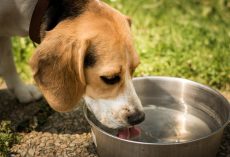
- Beverages (especially a big bowl of water) may require an immediate trip.
- By 9 months of age, most puppies can hold their bladder as long as a typical adult dog — usually around eight hours.
If your puppy’s schedule suddenly changes or they’re going far more frequently than these guidelines, it’s worth looking deeper.
Medical Reasons a Puppy Might Pee More Than Usual
If your puppy suddenly starts peeing excessively or seems uncomfortable, a health issue might be to blame. Some conditions that can trigger frequent urination include:
Diabetes
When a puppy has diabetes, either his pancreas doesn’t produce enough insulin or his body doesn’t process the insulin well enough.
When glucose levels get too high, the body dumps sugar into the urine — and pulls extra water with it. This leads to excessive drinking and urinating.
While more common in older dogs, young pups can be affected too.
Urinary Tract Infections (UTIs)
A UTI occurs when bacteria travel up the urethra into the bladder. Signs include:
- Straining or whining while peeing
- Blood in the urine
- Frequent small accidents
- Abdominal discomfort
Ectopic Ureters
A birth defect where the ureters don’t connect to the bladder correctly. It often causes:
- Dribbling urine
- Inability to hold their bladder
- Excessive licking of the genital area
- Recurring UTIs
Bladder Infections
Bladder infections are caused by bacterial invasion or issues with urine flow. These can lead to:
- Frequent urination
- Painful peeing
- Blood in the urine
Kidney Infections
Kidney infections are more serious than bladder infections — symptoms include:
- Vomiting
- Increased thirst and urination
- Fever
- Abdominal pain
- Loss of appetite
Bladder or Kidney Stones
Bladder or kidney stones may cause:
- Frequent, urgent peeing
- Straining
- Blood in the urine
A complete urinary blockage is life-threatening. If your puppy is straining with little or no urine coming out, seek emergency vet care immediately.
Medications
Some drugs — especially corticosteroids — cause increased thirst and urination. This usually resolves once the medication stops.
Tumors
Rare in puppies, but tumors in the kidneys or lower urinary tract can cause frequent urination. Mostly seen in older dogs.
Behavioral Reasons a Puppy May Pee Frequently
If medical causes are ruled out, behavior or environment may play a role.
Submissive Urination
Some puppies pee when excited, nervous, or greeting someone. This is involuntary and usually fades with age and house training.
Stress or Anxiety
A new home, new people, or big changes can temporarily disrupt bladder habits. Since he’s in an unfamiliar place and surrounded by new people and things, he might not be acting like his usual self and still need to decompress.
Attention-Seeking
If peeing indoors reliably gets your attention, your puppy may continue doing it. Extra playtime and structured walks help break the pattern.
Too Much Water
Constant access to water isn’t harmful, but it will mean constant bathroom trips.
Excessive drinking, however, can be a warning sign of underlying issues like diabetes or kidney infection.
Not Fully House Broken Yet
Your puppy may simply not understand where they’re supposed to go yet — which is normal and fixable.
How to Potty Train a Puppy
If your pup keeps having accidents, these potty training strategies help build good habits:
- Watch for pre-potty cues like circling or sniffing.
- Use crate training to manage their space when you can’t supervise. Try this crate from Diggs.
- Take your puppy outside frequently — especially after waking, eating, or playing.
- Reward immediately with puppy treats after they go.
- Use a cue word like “potty” right before they relieve themselves.
- Stop water intake about two hours before bedtime.
- Never punish accidents or submissive urination — it’s not within their control.
When to Call the Vet
Talk to your veterinarian if your puppy is:
- Peeing far more often than what’s normal for their age
- Showing signs of pain, blood, or straining
- Drinking excessively
- Suddenly having more accidents after previously improving
- Dribbling urine or unable to hold it at all
Puppies do pee frequently — that’s normal. But sudden changes or obvious discomfort deserve attention. When in doubt, checking in with your vet is always the safest move.
We independently pick all the products we recommend because we love them and think you will too. If you buy a product from a link on our site, we may earn a commission.