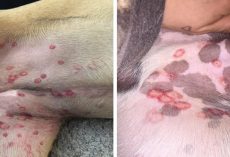
Finding out your dog has parasites can be alarming — but take a breath. Most parasitic infections can be treated successfully with the right medication and prompt care.
Different parasites require different treatments. Some clear with a simple dewormer, while others — like heartworm — demand more intensive, costly, and carefully monitored therapy. Below is a clear guide to heartworm, hookworm, and tapeworm in dogs, plus what to expect from treatment.
Common Worms Found in Dogs
Dogs can pick up several types of intestinal or blood-borne parasites. The most common include:
- Heartworm
- Hookworm
- Tapeworm
- Roundworm
- Whipworm
All can be treated — though some are far more serious than others.
Heartworm in Dogs
Heartworm is one of the most dangerous parasitic diseases dogs can contract. Caused by Dirofilaria immitis, the worms live in the bloodstream, specifically within the pulmonary artery leading from the heart to the lungs.
Heartworms can cause blood clots, severe lung disease, liver complications, and even heart failure. Symptoms often don’t appear until the infection is advanced — sometimes years after infection — which is why prevention is absolutely essential.
Heartworm Treatment
Treating heartworm is involved, lengthy, and expensive — but possible.
Immiticide (melarsomine) is the only FDA-approved medication for killing adult heartworms. Treatment typically includes:
- A series of injections
- Several weeks of doxycycline antibiotics
- Strict exercise restriction and cage rest for about three months
- Follow-up testing and ongoing monitoring
Most dogs respond well, but advanced infections can be more difficult to treat. Costs often range from $600–$1,200, depending on the dog’s size and the severity of the infestation.
Because treatment is so demanding, prevention is always the best choice.
Highly rated heartworm preventatives include:
- Heartgard Plus (chewable tablets for dogs up to 100 lbs)
Hookworm in Dogs
Hookworms are intestinal parasites that attach to the lining of the gut and feed on blood, causing anemia — especially in puppies.
They spread easily through contaminated soil or infected feces. Importantly, hookworms can infect people, typically through contact with contaminated ground.
Hookworm Treatment
Fortunately, hookworm is usually simple to treat.
Common options include:
- Worming powders
- Liquids
- Tablets
- Chewable dewormers
Your veterinarian can recommend the most effective treatment plan.
One well-known over-the-counter product is Safe-Guard (fenbendazole), available for small to large dogs. Fenbendazole can treat active infections and prevent future ones — especially in pregnant dogs or puppies who need routine deworming.
Most cases clear within a few days, though severe infections may require hospitalization, fluids, or even blood transfusions.
Tapeworm in Dogs
Tapeworms live in the intestines and can cause diarrhea, weight loss, and irritation. Owners often notice segments that resemble grains of rice near the dog’s rear end.
Tapeworms may be uncomfortable, but they’re generally not dangerous — and treatment is fast.
Tapeworm Treatment
Tapeworm is one of the easiest infections to treat.
Praziquantel, a prescription dewormer, is used to treat and prevent tapeworm. It’s found in:
- Droncit
- Drontal (available for small, medium, and large dogs)
Usually, only one dose is needed, and side effects are rare.
Roundworm in Dogs
Roundworms are among the most common intestinal worms in dogs — especially puppies.
Symptoms include:
- Soft or messy stools
- A pot-bellied appearance
- Poor weight gain
Roundworm Treatment
Roundworms respond well to many dewormers, including:
- Fenbendazole
- Piperazine
A popular option is Panacur (fenbendazole), available as a paste, liquid, or powder that mixes easily with food.
Whipworm in Dogs
Whipworms live in the large intestine and can cause:
- Bloody diarrhea
- Weight loss
- Anemia
Though they spread through contaminated soil or feces, they rarely infect humans.
Whipworm Treatment
Whipworms can be treated with deworming medication, and one of the most effective options is:
- Sentinel (milbemycin oxime + lufenuron)
- Over 99% effective
- Available by prescription for dogs up to 100 lbs
The Bottom Line: Prevention Is Key
While all of these parasites are treatable, preventing them is much easier — and far safer — than dealing with an active infection.
Regular parasite prevention, routine testing, and annual vet visits are the most reliable way to protect your dog from discomfort, illness, and costly treatments.
If your dog does get a parasite, you now know exactly what to expect — and how to help them recover quickly. 🐶💙
We independently pick all the products we recommend because we love them and think you will too. If you buy a product from a link on our site, we may earn a commission.