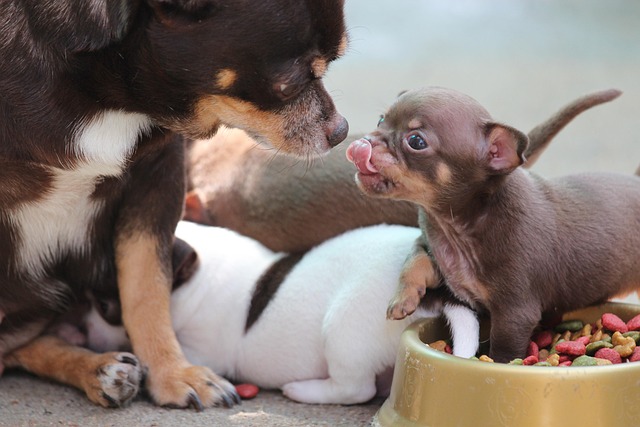
Has your dog ever stiffened, side-eyed you, or grumbled when you walked near his food bowl?
Or maybe he gets tense, growls, or freezes as you pass by?
If so, he may be guarding his food — a totally natural instinct that can escalate into food aggression if not handled carefully.
Here’s why it happens, what early warning signs look like, and how to help your pup feel safe enough to relax around mealtimes.
Why Dogs Guard Their Food
Even though your dog is living his best life in a comfy home, he still carries instincts from his wild ancestors.
Out in the wild, if you didn’t protect your food… you didn’t eat.
So guarding food is actually normal dog behavior — it only becomes a problem when it turns into aggression.
This behavior, known as resource guarding, can be triggered or intensified by:
- Genetics
- Experiences during puppyhood (socialization or lack of it)
- Stressful living situations
- Anxiety or fear
- Past competition with other pets
Some dogs are mild. Some escalate quickly. And some are subtle… until they’re not.
Subtle Signs Your Dog Is Becoming Possessive
We all know the big red-flag behaviors:
- Growling
- Lunging
- Snapping or biting
But before aggression breaks out, most dogs communicate discomfort more quietly. Look for:
- Lip licking
- Yawning when food is present
- Showing the whites of their eyes (“whale eye”)
- Tail tucked
- Ears pinned back
- Stiff body posture
- Barking, whining, or pacing
These are early warnings — and the best time to intervene.
What To Do If Your Dog Guards His Food
1. Give him space at mealtimes
This is the quickest way to lower his stress.
Let him eat in a separate room or behind a baby gate.
No hovering, no touching the bowl, no reaching over him.
You wouldn’t want someone poking your plate while you're eating either.
2. Offer more food — not less
Scarcity makes guarding worse.
Abundance lowers the need to protect.
If he growls when you approach, gently toss extra food away from his bowl.
This teaches him: “When humans come near, the food increases — not disappears.”
This begins to reset the emotional association.
3. Never invade his space “to teach him not to guard”
This common advice is outdated — and dangerous.
Sticking your hand in his bowl
taking food away
or messing with him while he eats
…does NOT make him “tougher” or “less dominant.”
It actually increases fear and makes the aggression stronger over time.
4. Call in a pro
Food guarding is very treatable — but not always with DIY methods.
A vet, trainer, or veterinary behaviorist can help identify the underlying trigger and create a safe, structured plan. Some dogs benefit from:
- Behavior modification
- Controlled desensitization
- Medication or supplements
- Structured training programs
Getting expert help keeps everyone safer — including your dog.
The Bottom Line
Food guarding is instinctive, not “bad behavior.”
With space, safety, and positive training, most dogs improve dramatically.
The sooner you intervene (kindly!), the faster your dog learns that meals are a stress-free, drama-free part of the day.
We independently pick all the products we recommend because we love them and think you will too. If you buy a product from a link on our site, we may earn a commission.