Your dog is staring at you with those let’s-go-now eyes — but outside, it’s freezing.
Cold weather can absolutely be dangerous for dogs, and knowing when it’s too cold to head out can help you keep your pup safe all winter long.
So how cold is too cold for dogs? The answer depends on a few important factors, including your dog’s size, coat, age, and overall health.
Here’s what veterinarians want dog parents to know — plus practical tips for keeping your dog warm when temperatures drop.
Which Dogs Handle Cold Weather Best?
Some dogs are built for winter. These breeds were developed to work or live in cold climates and often thrive in freezing temperatures.
Cold-tolerant dogs typically share these traits:
- Double coats that trap heat close to the body
- Larger body size, which helps retain warmth
- Thicker fat layers under the skin
- Smaller ears, which lose less heat
Breeds that usually tolerate cold well include:
- Alaskan Malamutes
- Bernese Mountain Dogs
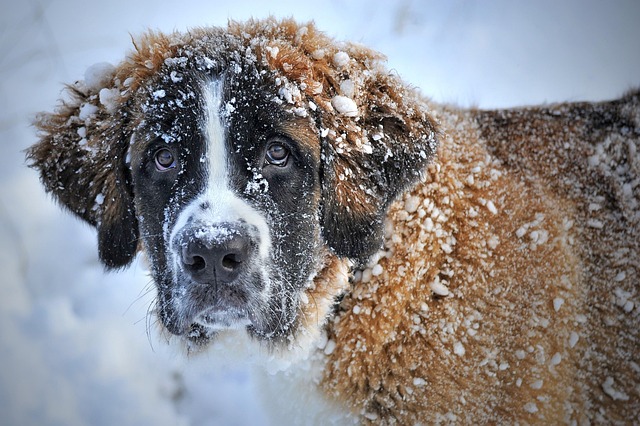
- Saint Bernards
- Samoyeds
- Siberian Huskies
- Shiba Inus
- Newfoundlands
These dogs may still need limits in extreme cold, but they generally handle winter better than most.
Which Dogs Struggle Most in the Cold?
Other dogs are far more vulnerable to low temperatures.
Dogs with short coats, no undercoat, and minimal body fat don’t insulate well and lose heat quickly.
Cold-sensitive breeds include:
- Boxers
- Chihuahuas
- Dachshunds
- Dobermans
- Greyhounds
Toy and small breeds are also at higher risk because they have a larger surface area relative to body size, which causes them to lose heat faster.
Factors That Affect How Cold Your Dog Feels
Beyond breed, several individual factors play a role in how your dog reacts to cold weather:
Coat Type
Thick, long, or double-layered coats offer much better insulation than thin or short coats.
Coat Color
Darker coats absorb more heat from sunlight than lighter coats, which can offer a small advantage outdoors.
Size
Smaller dogs lose body heat faster than larger dogs.
Body Weight
While obesity is never healthy, dogs with very low body fat tend to feel the cold more intensely.
Age and Health
Puppies, senior dogs, and dogs with medical conditions struggle more to regulate body temperature and are less cold-tolerant.
When Is It Too Cold to Walk Your Dog?
There isn’t a single rule that works for every dog — but veterinarians agree on these general guidelines:
- 0°F or below: Too cold for all dogs to walk
- Below 20°F: Only brief bathroom breaks, no walks
Between 20°F and 32°F
- Medium and large dogs: Up to 30 minutes
- Small dogs or thin-coated dogs: No more than 15 minutes
⚠️ Always factor in wind chill, which can drop your dog’s core temperature quickly. Wet snow, ice, and rain are especially dangerous, as moisture causes body heat to disappear fast.
Signs Your Dog Is Too Cold
If your dog starts showing any of these signs, it’s time to head inside immediately:
- Shivering or trembling
- Hunched posture
- Lifting paws off the ground
- Lethargy
- Tail tucked between legs
- Whimpering
- Refusing to walk or trying to turn back home
- Seeking shelter
Emergency Signs
- Hypothermia: weakness, lethargy, slow breathing
- Frostbite: pale or bluish paws, ears, or tail
Both hypothermia and frostbite are medical emergencies and require immediate veterinary care.
How to Warm Up a Cold Dog
If your dog gets too cold during a walk:
- Bring her inside right away
- Dry her off completely, especially paws and belly
- Wrap her in a warm blanket
You can place a wrapped warm water bottle near her abdomen, but never apply heat directly to bare skin — if it’s too hot for you, it’s too hot for her.
How to Keep Your Dog Warm All Winter
Use an Insulated Dog Jacket
When temperatures fall below 32°F, small dogs, thin-coated dogs, puppies, seniors, and dogs with medical conditions should wear a warm, insulated coat. Look for styles that also cover the neck.
Try the SlowTon Winter Dog Coat from Amazon
Consider Booties (When Necessary)
Booties protect paws from ice, salt, and frostbite and help keep feet dry.
Use them only when conditions are icy or snowy. Wearing them constantly can interfere with natural paw movement and may cause irritation.
Try the CovertSafe& Dog Boots from Amazon
Let Your Dog Sleep Indoors
Dogs should never sleep outside in cold weather. Extended exposure to low temperatures is dangerous and can quickly lead to hypothermia.
If a dog must be outdoors for short periods, they need a well-insulated, windproof shelter — but indoor sleeping is always safest.
Try the Aivituvin insulated dog kennel from Amazon
Try this outdoor heating pad from Amazon
Prevent Frozen Water
Water bowls freeze quickly in winter. A heated water bowl ensures your dog always has access to fresh water, even in subfreezing temperatures.
Try this heated water bowl from Amazon
Adjust Calories if Needed
Dogs living in very cold climates may need up to 20% more calories to maintain body heat — but always talk to your vet before adjusting your dog’s diet.
The Bottom Line
Winter walks can still be safe and enjoyable — as long as you know your dog’s limits.
Dress your pup appropriately, watch for signs of cold stress, and keep outdoor time short when temperatures drop. With the right precautions, your dog can stay warm, healthy, and happy all winter long. ❄️🐾
We independently pick all the products we recommend because we love them and think you will too. If you buy a product from a link on our site, we may earn a commission.