Seeing a dog pant isn’t unusual — especially on a hot day or after a long play session. But sometimes panting can signal something more serious. If your dog seems to be panting for no obvious reason, or if it’s happening more than usual, it’s worth paying attention.
Here are the most common reasons dogs pant and how to know when it’s time to call the vet.
Why Dogs Pant: 13 Common Causes
Dogs pant to regulate their temperature, but panting can also be triggered by pain, stress, or medical problems like heart disease, poisoning, or Cushing’s syndrome. Below are the most likely explanations.
1. Cooling Down
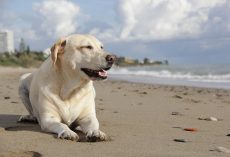
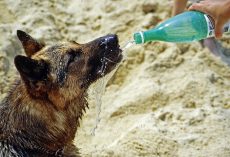
The most common reason dogs pant is simple: they’re hot.
Since dogs can’t cool themselves effectively through sweating — they only have sweat glands on their paws — panting helps evaporate moisture from the tongue and bring cooler air into the body.
2. Catching Their Breath
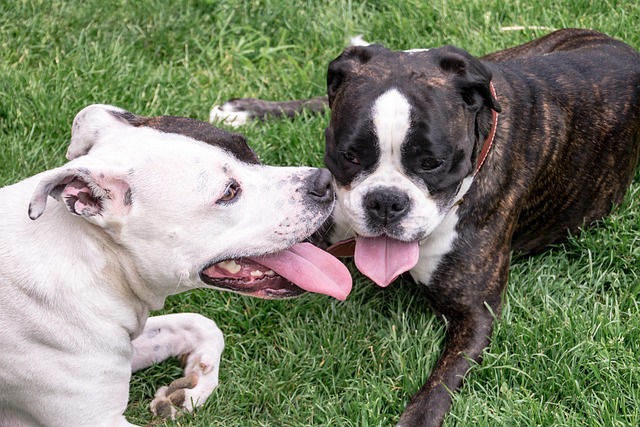
After exercise or intense play, dogs pant just like people breathe heavily after exertion.
3. Excitement
Many dogs pant when they’re excited, like when you walk through the door. Excitement panting often comes with short, quick breaths, whining, or happy barks.
4. Heatstroke
If a dog overheats and can’t cool down fast enough, heatstroke can occur — and it’s a medical emergency.
Watch for heavy panting, weakness, dry gums, fast heart rate, drooling, diarrhea, seizures, or collapse.
Short-nosed breeds (like pugs) are especially vulnerable. Seek immediate veterinary care if you suspect heatstroke.
5. Stress or Anxiety
Panting may be a sign your dog is stressed — for example, during car rides or vet visits.
Other anxiety signs include lip licking, yawning, pacing, hiding, or a tucked tail.
6. Pain or Discomfort
Dogs often pant when they’re hurting. If you think your dog may be in pain, go to the vet for an evaluation.
7. Bloat
Panting can be an early warning sign of bloat, a life-threatening condition where the stomach fills with gas and twists.
Symptoms include a swollen belly, retching, drooling, pale gums, restlessness, and rapid heartbeat.
This is an emergency — get to a vet immediately.
8. Cushing’s Syndrome
Cushing’s disease occurs when the body produces too much cortisol.
It’s most common in older dogs and breeds like beagles, Boston terriers, dachshunds, German shepherds, and poodles.
Besides panting, look for:
- Increased thirst and urination
- A pot-bellied appearance
- Hair loss
- Muscle wasting
- Thinning skin
9. Steroid Medications
Dogs on steroids may pant more. It’s usually harmless and stops when the medication ends, but always check with your vet if you’re concerned.
10. Heart Disease
If the heart can’t pump enough oxygen to the body, dogs may pant or breathe rapidly.
Other signs include coughing, fatigue, restlessness, a swollen abdomen, weight loss, or fainting.
11. Respiratory Issues
Dogs with breathing problems — like pneumonia, allergies, lung disease, or laryngeal paralysis — may pant to increase oxygen intake.
Laryngeal paralysis can cause loud, raspy panting and is more common in older large-breed dogs like Labs. Some breeds, like Bouviers, can inherit this condition.
12. Poisoning
Panting can be one of the first symptoms of poisoning.
Other signs include vomiting, diarrhea, drooling, tremors, fast heart rate, weakness, or loss of appetite.
If you suspect your dog ate something toxic, go to the vet immediately.
13. Eclampsia
Eclampsia is a dangerous drop in calcium levels in nursing mothers (and occasionally late-term pregnant dogs).
Symptoms include heavy panting, tremors, stiffness, confusion, restlessness, fever, and collapse.
This is a veterinary emergency.
How to Tell If Your Dog’s Panting Isn’t Normal
Panting from heat, exercise, excitement, or mild stress is normal. But panting can be a sign of trouble if:
- It starts suddenly with no clear cause
- It’s excessive or louder than usual
- Your dog seems to struggle to breathe
- It comes with other symptoms (vomiting, coughing, weakness, pain, etc.)
- The room or weather isn’t warm
If you notice any of these signs, have your dog checked by a vet.
Most of the time, panting is simply your dog staying cool — so always make sure fresh water and shade are available, especially on warm days.